
Is Winter a Good Time to Visit Black Mountain, NC?
What to Know Before You Go

Open your front door on a January morning, and the ridgeline still holds the town in its familiar curve. But frost gathers on windshields, conversations linger longer over coffee at the Dripolator, and getting around town feels noticeably easier. Parking is simpler. Sidewalks are calmer.
If you’ve ever wondered whether winter is a good time to visit Black Mountain, North Carolina, the answer is yes — if you know what you’re coming for. This guide offers an honest look at what winter here is actually like, so you can decide whether it’s your season.
Common Winter Questions We Hear
Is everything closed in winter?
No, definitely not. The majority of downtown operates year-round. Unlike coastal beach towns, Black Mountain is a year-round community, although some establishments reduce their operating hours during the off-season.
Is lodging less expensive?
Yes, this is one of winter’s biggest perks. Off-season rates are typically 20–30% lower, and availability is much easier to find.
Will there be snow?
Occasionally, but usually in small amounts. While higher-elevation areas nearby see more snowfall, downtown Black Mountain sits in a valley and averages less than a foot per year due to the surrounding mountain landscape.
Is the Blue Ridge Parkway open?
Sections near Black Mountain often close due to ice in tunnels and limited snow plowing. The upside? Closed stretches become peaceful places to walk or cross-country ski with views you won’t see any other time of year.
Is it icy or hard to get around?
Sometimes. Mainly in shaded areas or the morning after a storm. Our properties are easy to access year-round, and winter weather rarely causes issues.
Is it quieter in town?
Yes, intentionally so. We love this time of year here because of the slower pace and quieter vibe.
Is winter better for long stays?
For many guests, absolutely. Fewer crowds and a slower pace make it an ideal season to settle in.
What Winter Weather in Black Mountain Is Actually Like

Winter here is defined less by extremes and more by gentle fluctuations.
January is usually the coldest month. Daytime highs typically range from the mid-40s to mid-50s, with overnight lows in the 20s and 30s. Sunny days often warm things up quickly though.
January and February are the snowiest months, with January averaging around 6 inches, and February slightly less, around 4 inches, often with flurries and 3-4 snow days each month.
Downtown Black Mountain averages about 11 inches of snow per year, with January often seeing the most.
More persistent snow is common at higher elevations nearby, such as Mount Mitchell and certain stretches of the Blue Ridge Parkway, offering classic winter scenery just a short drive away.
Compared to higher mountain destinations, winter weather here is often workable. While the weather can briefly reshape plans, winter rarely brings full shutdowns. Life continues, just at a slower, steadier clip.
Check the forecast in the morning, and you’re likely to find yourself sitting outside in a light jacket on a surprising 55-degree afternoon after a stretch of gray. It’s a season of contrasts — sun and cold, quiet and warmth — and it rewards flexibility.
A Slower Pace with Fewer Crowds

Black Mountain in winter is often described as "cozy-cabin season." Calm, but not dormant. This isn’t the version of Black Mountain most people first encounter — no leaf-season rush, no summer festivals, no packed patios. And for the right traveler, that’s exactly the appeal.
After October’s leaf-season surge and summer’s steady tourism, winter brings noticeable breathing room. Parking is easier throughout town. Restaurant waits are shorter, even on weekends. Trails feel shared rather than crowded, and sidewalks belong mostly to locals and repeat visitors rather than tour groups.

Think of winter as a lower-volume season rather than a shutdown. Daily life continues much as it does the rest of the year, just without the constant influx of peak travel months. Plans feel more flexible. Reservations are easier to secure. Moving through town takes less time. For many guests, this shift is what makes winter especially appealing — not because there’s less to do, but because there’s less competition to do it.
Cafés, bakeries, breweries, and cideries become natural anchors during colder months. Places like Oak & Grist, Lookout Brewing, and Black Mountain Cider + Mead offer welcoming spaces to settle in after a morning walk or ease into an evening out.
Easy Winter Walks
Lake Tomahawk and in-town walking paths stay accessible throughout the season. Frost may rim the edges early in the day, but the flat loop and nearby woodland paths are often clear and bright by mid-day, making them easy, low-effort additions to a winter itinerary.
Just a few minutes away, the Lake Susan Walk in Montreat offers another gentle option. This short, 0.3-mile loop circles the lake at the Montreat Conference Center and connects to additional trails, making it an easy, scenic stop that works well even on colder days.
Indoor Culture & Local Entertainment
Downtown Black Mountain offers several indoor options well-suited for colder days, including a local escape room and small venues that host events throughout the season.
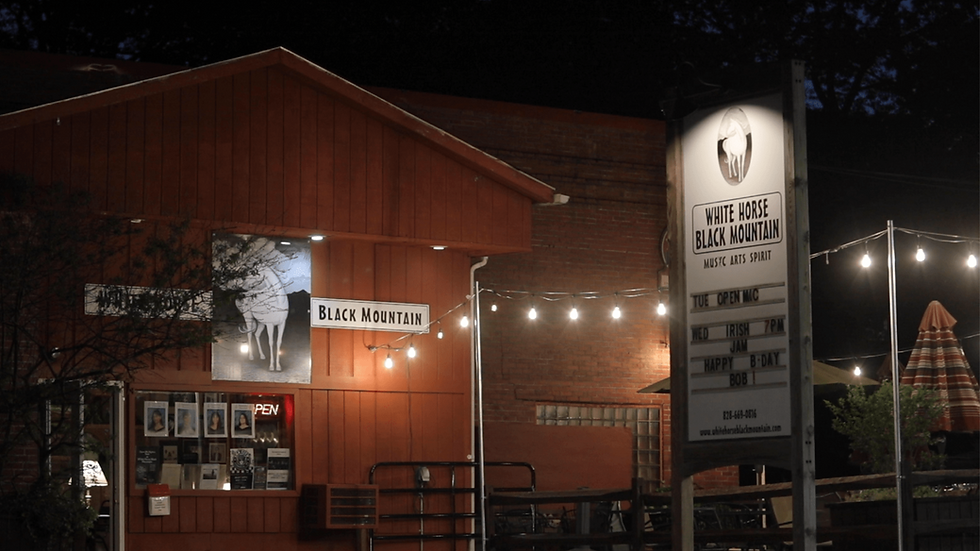
White Horse continues its year-round performance schedule, featuring music, comedy, and spoken-word events that give winter evenings a clear destination. In winter 2026, Watermark, a photography retrospective curated by Asheville photographers Kai Lendzion and Naomi Lee, will be on view. Featuring work from 21 regional artists, the exhibition offers a thoughtful look at Western North Carolina — highlighting resilience, connection, and the role of creativity in telling shared stories.
Worth the Short Drive
Nearby Asheville remains active in winter. The Biltmore Estate offers seasonal tours of the historic home and access to its 8,000 acres of grounds and trails. Downtown Asheville adds indoor options like the Asheville Art Museum, Asheville Pinball Museum, and Grove Arcade, all easy pairings with colder days.
Bottom line: Winter in Black Mountain isn’t about packing every day with plans. It’s about having just enough to choose from — at a pace that leaves some breathing room.
Places That Are Seasonally Quieter or Limited

Certain experiences naturally shift in winter. Sections of the Blue Ridge Parkway may close during ice or snow events, particularly near Craggy Gardens, Mount Pisgah, and north toward Mount Mitchell. These closures are typically weather-based and temporary, but they can affect access to higher-elevation viewpoints.
A handful of patio-forward restaurants may shorten midweek hours during colder months, though indoor dining options remain widely available throughout town.
Winter hiking is very possible, but conditions change quickly with elevation. For every 1,000 feet gained, temperatures can drop five to ten degrees, and shaded trails may hold ice long after town roads have cleared. Many locals rely on simple slip-on microspikes and good gloves rather than heavy winter gear.
When higher elevations turn icy, flexibility pays off. Lower-elevation trails near Brevard, Lake Lure, Montreat, and Old Fort remain strong winter options. Waterfalls like Catawba Falls are often especially striking after storms, with lighter foot traffic and easier parking than in peak seasons.
Who Winter Is Especially Good For
Winter travel here tends to attract a certain kind of guest — not by design, but by nature.
The Slow-Down Weekender: You’re looking for a fireplace, a good book, a short walk to coffee, and one or two intentional outings per day. You prefer fewer decisions and value ease over packed itineraries.
The View-Chaser & Winter Hiker: You enjoy leaf-off mountain views and crisp air, and you’re comfortable choosing moderate day hikes over high-elevation or technical routes. You check trail conditions, adjust plans as needed, and appreciate quieter trail access.
The Asheville-Adjacent Explorer: You want access to winter dining, music, breweries, and cultural stops in Asheville, but prefer to return each evening to a smaller town with simpler logistics and less activity.
The Fire-Side Gatherer (Families & Small Groups): Your stay centers on shared meals, board games, conversation, and time together, with a few easy outings woven in rather than a full daily agenda.
Who Winter in Black Mountain Isn’t Ideal For
Sun-Seekers & Pool-Weather Travelers: If your ideal vacation is 80 degrees and sunshine all day, winter may feel too gray and cool.
Families Expecting Guaranteed Snow: Snow does happen here, but not on a schedule. If your trip depends on sledding or snowman-building, Western North Carolina’s mid-elevations aren’t as reliable as ski-forward destinations. Regional resorts like Beech, Sugar, Cataloochee, and Wolf Ridge operate nearby, but conditions vary.
First-Time Winter Drivers: Occasional black ice can appear on shaded mountain roads and driveways after overnight moisture. If winter driving feels stressful, shoulder seasons may be a better fit.
If you’re unsure, feel free to reach out. We’re always happy to help you decide whether your dates match the kind of winter experience you’re hoping for.
What Winter Offers That Other Seasons Don’t

This is the season that best reflects the Blue Mont Stays philosophy: homes designed for gathering, not just sleeping.
Clearer Views & Quiet Trails: With the trees bare, winter opens up long-range views across ridges that summer foliage keeps hidden. Ridges you only glimpse in July become full vistas in January.
A Softer Kind of Light: Short days, long blue hours, porch lights glowing early. It’s a season that naturally softens the body clock and suits those who thrive on slower rhythms. It’s a long-held haven for writers, artists, and anyone seeking a gentler pace.
Intentional Time Indoors: Winter often carries you inward. Long meals are a welcome respite. Board games stay on the table. Conversations deepen by fireplaces.
Ease & Access: Winter often brings easier booking windows, fewer scheduling pressures, and more flexibility for spontaneous escapes, dinner reservations, and space in shops.
What to Pack for a Winter Visit

You don’t need expedition gear for Black Mountain in winter, but a little preparation makes everything easier.
Layers over one heavy coat. Base layers, a mid-weight sweater, and a waterproof or insulated outer layer work well for temperature swings between frosty mornings and mild afternoons.
Footwear for mixed conditions. Waterproof boots or sturdy walking shoes with good tread are ideal. Light traction (microspikes) is useful if you plan higher-elevation hikes or shaded trails. Snowshoes aren’t necessary here.
Weather-flexible extras: Hat, gloves, scarf. A small daypack, reusable water bottle, thermos, and for drivers: an ice scraper in the car go a long way.
Town & cabin comfort: Thick socks, slippers, and yes, bring a swimsuit if your stay includes a hot tub! All of our stays include a good library of books, cards, and board games, so you can take those off your packing list because they’ll be here when you arrive.
Is Winter Your Season Here?

Winter in Black Mountain means:
Mild mountain cold
Occasional snow
Quieter streets
Space to breathe
It might look like a long weekend with a book and a ridge-line view. A few days of hiking and brewery-hopping between cold snaps. Or a gathering that unfolds mostly around the dining table and firelight.
As porch lights turn on earlier and the mountains settle into their winter rhythm, the town reveals a steadier, more grounded side of itself. If that sounds like your season, we’d love to help you find a place that feels like it fits — for a weekend, a week, or a little longer.
Explore our current stays, or reach out with your dates and tell us what your next winter mountain retreat should hold.
Comments